The Growing Struggles of Homebuyers in 2025: Affordability and Uncertainty

1. Affordability Challenges
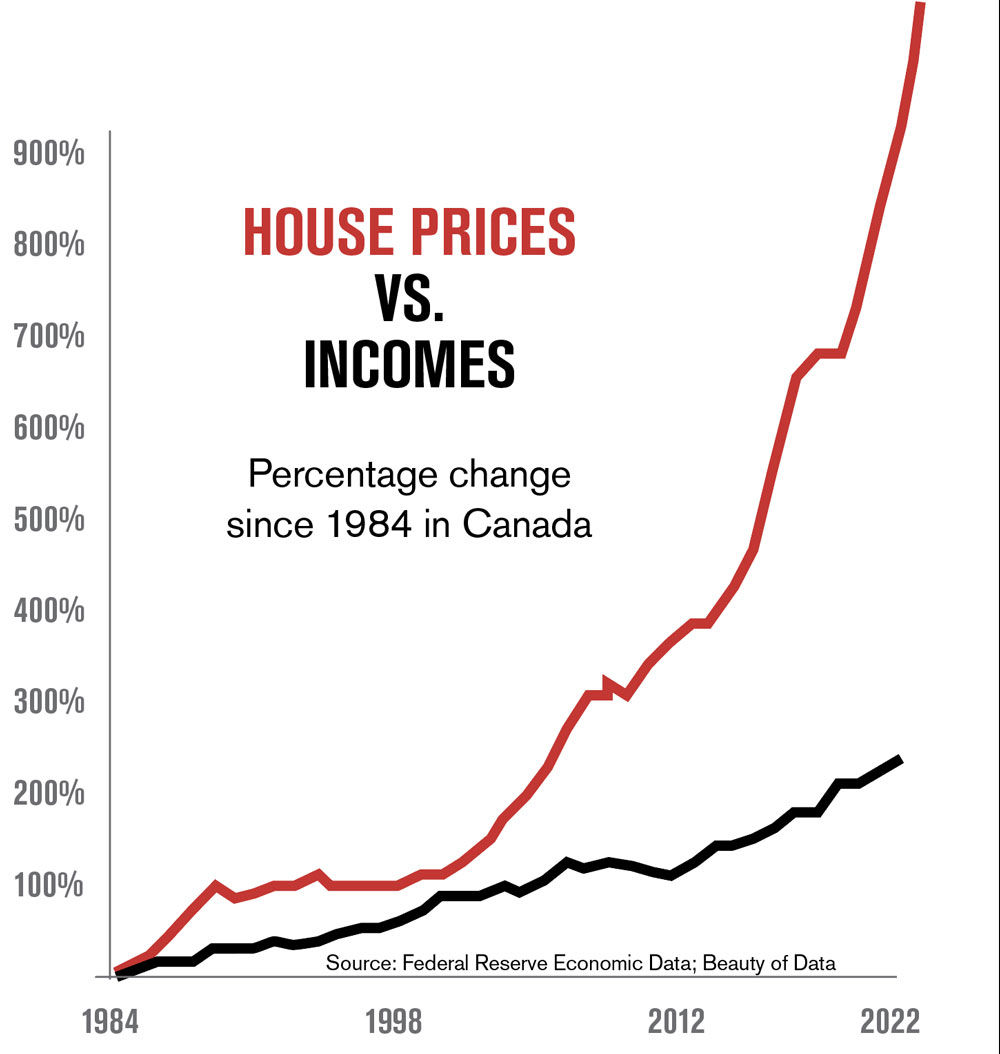
As Christopher Alexander, president of Re/Max Canada, points out, “The dream of homeownership is eroding, with rising costs making it more challenging to save for a down payment.” This is the reality many Canadians face today. With home prices soaring over the past two decades, entering the housing market has become increasingly difficult, even for those with steady, well-paying jobs. Saving for a down payment has become a long-term challenge, especially in major cities like Toronto, Vancouver, and Calgary.
The affordability barrier isn’t just about higher prices; it’s also about the tightening of policies, such as the mortgage stress test, which have further complicated the path to homeownership. As a result, many buyers are left feeling that the dream of owning a home is slipping away, and are now reconsidering their options in the housing market.
2. Economic Uncertainty and the Looming U.S. Tariffs
In 2025, economic uncertainty has become another key challenge for buyers, with the potential impact of U.S. tariffs on Canadian goods casting a shadow over the housing market. The possibility of tariffs could affect everything from consumer confidence to employment levels, causing some potential buyers to hesitate when it comes to making long-term commitments.
Though Canada managed to secure temporary relief, the ongoing risk of tariffs introduces an additional layer of instability. As Robert Hogue, assistant chief economist at RBC, puts it, “putting a price on a home before an earthquake—it’s hard to know what shape the structure will be in at the end of the day.”
While the situation remains fluid, the introduction of specific measures, like a 25% tariff on Canadian steel and aluminum, indicates that trade tensions with the U.S. are far from over. This uncertainty adds complexity to an already challenging housing market, making it even more difficult for buyers to plan their next steps with confidence.
3. Supply Shortages and Construction Delays
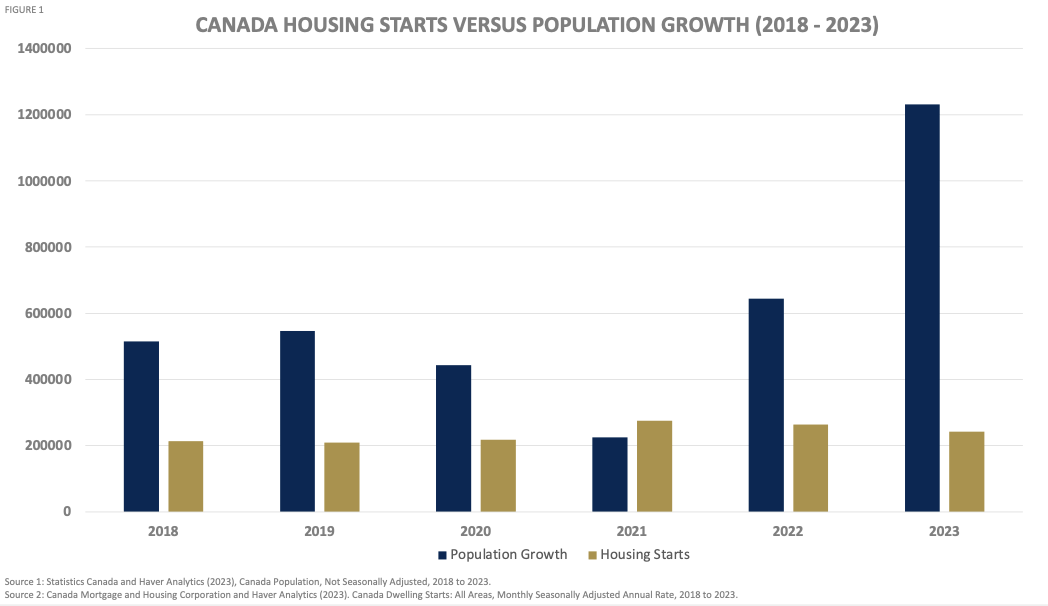
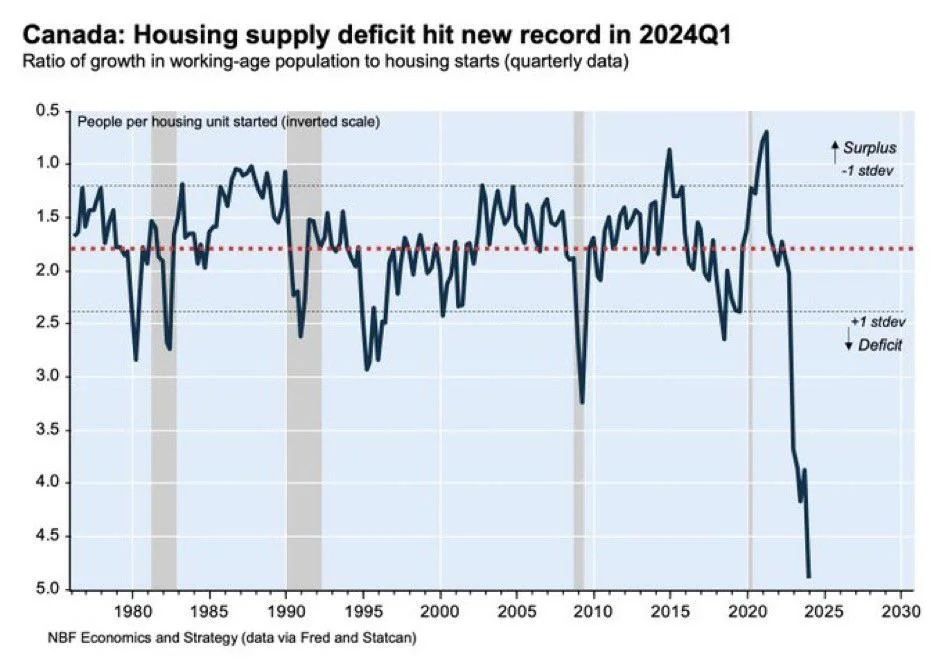
A significant shortage of housing supply exacerbates the affordability issue. The Canada Mortgage and Housing Corporation (CMHC) reports a national supply gap of approximately 3.5 million housing units by 2030, primarily in Ontario and British Columbia. This shortfall is due to a combination of factors, including high land costs, zoning restrictions, and lengthy approval processes that have slowed new construction. The lack of available inventory has led to upward pressure on prices, making it more challenging for buyers to find suitable homes.
4. The Psychological Toll on Buyers
In addition to the financial and market-related challenges, the psychological effects of the current housing market are having a significant impact on potential buyers. The ongoing pressures of rising prices, limited inventory, and economic uncertainty are taking a mental and emotional toll on many individuals and families.
Bright Spots Amidst Challenges: What’s Ahead for Buyers
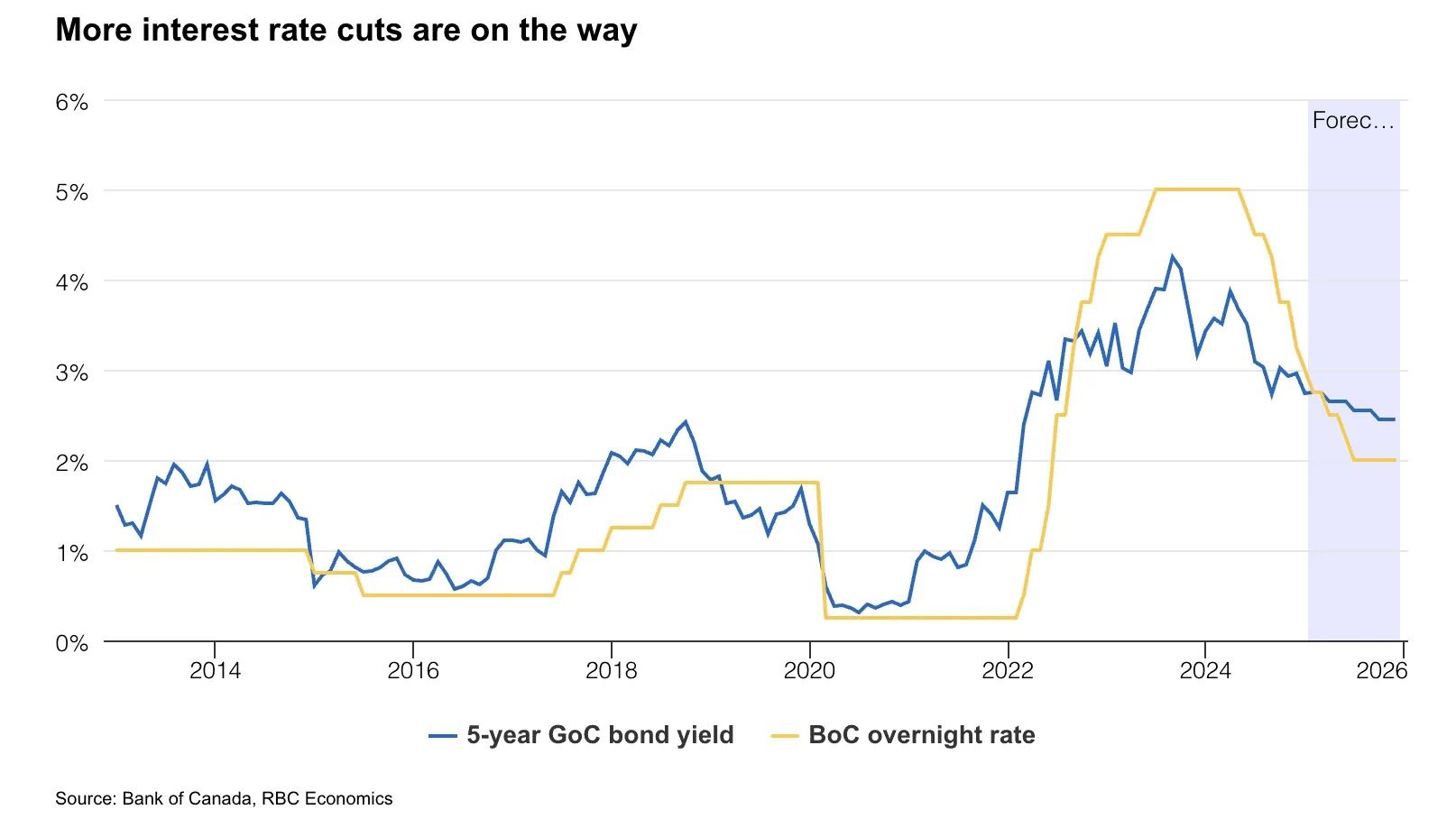
While the challenges in the Canadian housing market are significant, there are encouraging signs on the horizon for 2025. As RBC Economics forecasts, the market is poised for recovery, largely driven by declining interest rates. These lower borrowing costs will reduce ownership expenses, making homeownership more accessible to many buyers and providing a much-needed boost to the market.
In addition to more favorable financing options, buyers will benefit from an increasing inventory of homes. This shift, which began in the latter part of 2024, is expected to continue into 2025, giving potential buyers more choices and reducing some of the competition that has made home buying difficult in recent years.
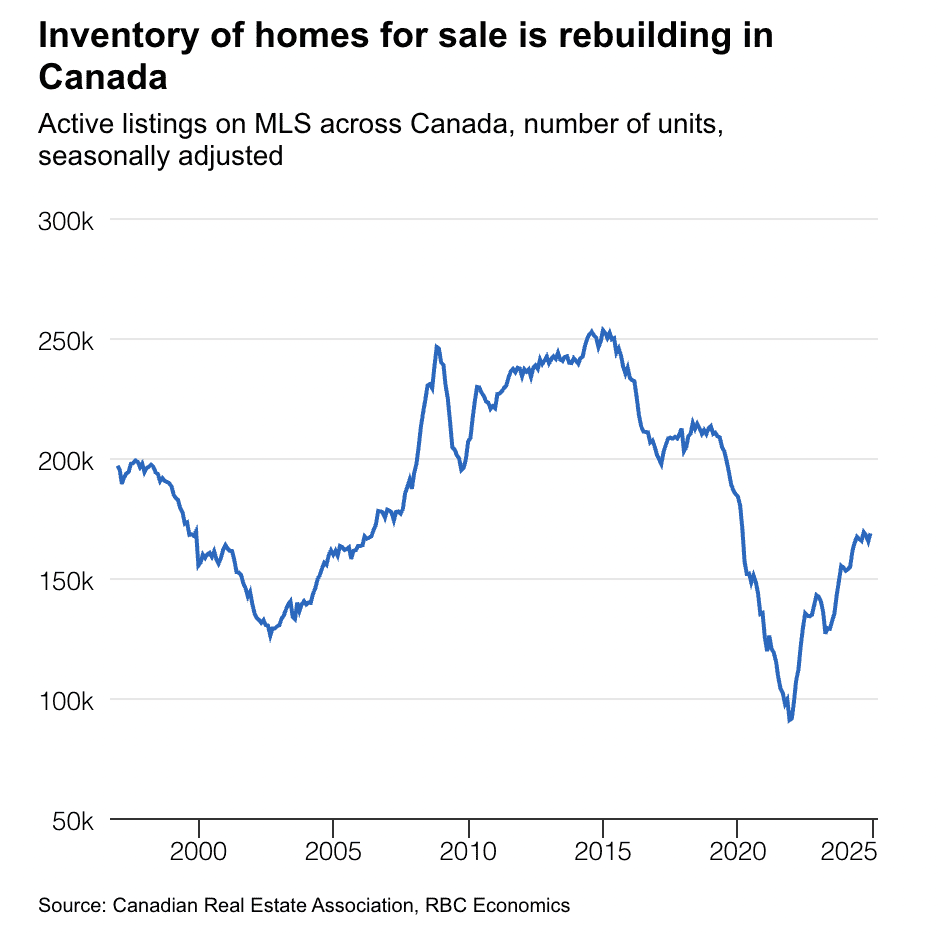
As RBC’s Robert Hogue explains, “These dynamics were set in motion in the second half of 2024 and have longer to run in the year ahead as we expect interest rates to fall further.” This influx of homes for sale, combined with more favorable interest rates, presents a unique opportunity for those looking to enter the market.
Furthermore, changes to mortgage insurance rules in December 2024 are set to make it easier for first-time homebuyers to secure a mortgage. These rule changes will likely bring more first-time buyers into the market, further bolstering demand and bringing a sense of optimism to the housing sector.
However, one factor that may also influence the market's pace is the federal government's plans to reduce immigration levels. The expected reduction in immigration could ease some of the pressure on housing demand, especially in the most competitive markets. While this may alleviate some affordability challenges, it could also lead to a more balanced market in the coming year, offering potential buyers a clearer path to homeownership.
A Path to Stability and Opportunity in 2025
Despite the economic uncertainties and challenges facing Canadian homebuyers in 2025, there are signs of recovery and optimism on the horizon. With the forecasted 12% increase in national home resales and a return to more normal levels of market activity, buyers can expect a more stable and predictable environment. The projected 1.4% growth in average home prices reflects a balanced market, where demand and supply are beginning to find equilibrium.
In addition, the expected decline in interest rates and the increasing inventory of homes offer a glimmer of hope for those entering the market. These factors, combined with changes to mortgage insurance rules, are likely to benefit first-time buyers, fostering further growth.
While challenges remain, 2025 offers a promising outlook for those navigating the Canadian housing market, with the potential for renewed confidence and opportunities for both buyers and sellers.
